.png)
The Peaceful Sleeper Method
- Chrissy Lawler

- Jul 22
- 4 min read
Updated: Aug 22
If you’re a tired parent Googling solutions in the dark at 3 a.m., you’ve probably run into an overwhelming amount of advice. Everyone seems to have an opinion on baby sleep, and it’s hard to know who to trust. That’s exactly why I created The Peaceful Sleeper Method.
Hi, I’m Chrissy Lawler—Licensed Marriage and Family Therapist, mom of four, and the founder of The Peaceful Sleeper. I’ve spent over a decade researching attachment, the science of sleep, and how to support moms so we can feel empowered (not shamed!) in motherhood. After my own battles with postpartum anxiety and sleepless nights, I knew there had to be a better way to talk about baby sleep. So I created it.
The Peaceful Sleeper Method is rooted in science, attachment theory, and real-life experience. It’s a baby-led, flexible, and judgment-free approach that meets families where they are and helps them get the rest they need.
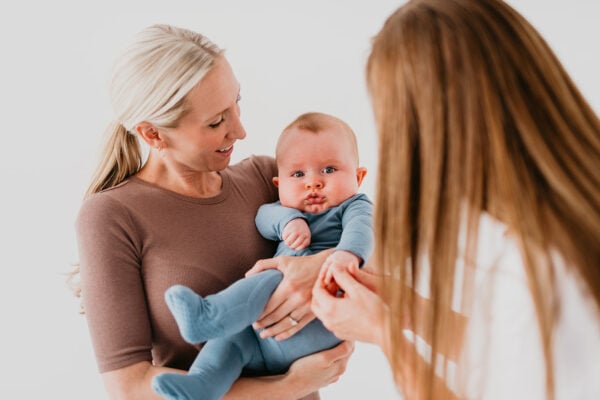
Laying the Foundation: The Four Pillars of Newborn Sleep
Before we ever jump into "sleep training," we start by creating a strong sleep foundation. This is especially crucial in those early newborn months. The four foundational pillars of The Peaceful Sleeper Method are:
1. Getting Complete Feedings
We focus on helping babies stay awake during feeds, get a deep latch, and take in full, nourishing meals. This helps stretch wake windows and encourages longer sleep stretches.
2. Timing
Sleepy cues and wake windows matter! We help you read your baby’s signs to avoid overtiredness, which is a major culprit in poor sleep.
3. Calming Strategies
From shushing to swaddling to bouncing on that yoga ball, calming tools help babies regulate and wind down for rest.
4. Identifying Discomfort
Gas, reflux, allergies, or teething? We help you troubleshoot and address sources of discomfort that interfere with quality sleep.
These four pillars help set the stage for healthy, restorative rest—even before you consider any form of sleep training.
The Three Pillars of Sleep Training
Once your baby is developmentally ready (typically around 4 months), we can build on that strong foundation and move into formal sleep training, what we also call sleep learning. Not every baby needs a big transition here—some just need a gentle nudge. Others need more structured support. That’s where our method shines.
The three pillars of our sleep learning approach include:
1. Falling Asleep Unassisted
Teaching babies to fall asleep independently without being rocked, fed, or bounced to sleep.
2. Lengthening Naps
We help you move out of the short-nap cycle and into more restorative, predictable daytime sleep.
3. Sleeping Through the Night
Yes, it’s possible—and no, you don’t have to cry-it-out to get there. But if you want to use that method, we can guide you through it safely and effectively.
We also refer to it as sleep learning because it's exactly that: learning a new skill. And like any learning process, it looks different for every baby.
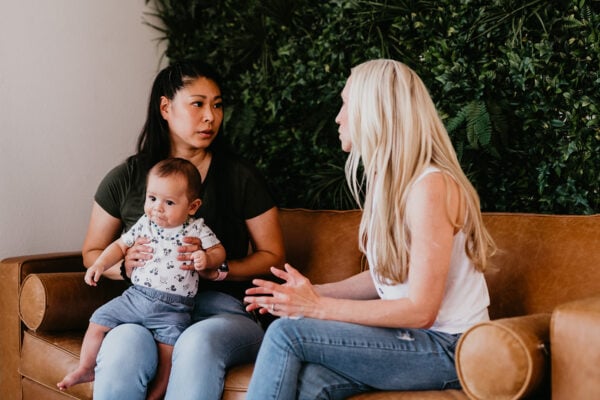
Good Sleep Is Important. How You Get There Doesn’t Matter—As Long As You Do.
This phrase is something I say often, because I deeply believe it. There’s no one-size-fits-all answer to baby sleep, and the right method is the one that works for your family. That’s why The Peaceful Sleeper Method is fully customizable. We give you the tools, the science, and the support, and you then get to choose what feels right.
Sleep training doesn't have to feel like a war zone. It can feel gentle. Empowering. Even joyful. When you follow your baby’s cues and feel supported in the process, everything changes.
But What About Attachment?
I get this question all the time. And as a therapist who spent years researching attachment, I understand the fear: that teaching independent sleep might damage your bond. But here's the truth: helping your baby get quality sleep and healthy attachment.
When babies are well-rested, they’re more emotionally regulated, more responsive to your love and attention, and better able to engage and connect. And when
are rested, you can show up as a more patient, present, joyful parent. Everyone wins.
Sleep training done with love and attunement reinforces trust. It says, "I know you're capable, and I'm here cheering you on."
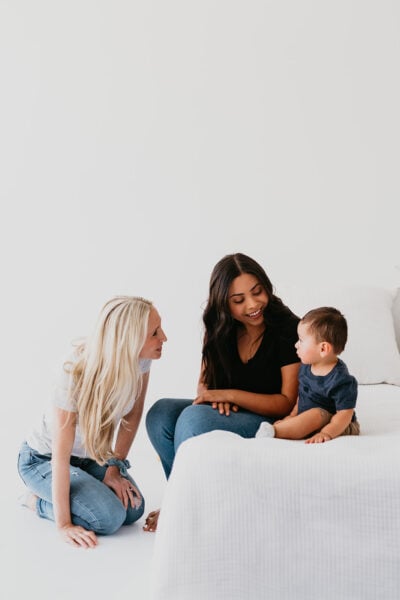
Not Just Sleep Tips—Real, Personalized Support
Every family is unique, which means cookie-cutter sleep advice just doesn’t cut it. That’s why we offer multiple ways to support you:
Consultations
Work one-on-one with our incredible team of sleep consultants. We collaborate with you to create a completely individualized sleep plan based on your parenting style, your goals, and your baby’s temperament. Whether you want gentle and gradual, or fast and efficient, we can guide you every step of the way.
Age-Based Content Libraries
Our libraries walk you through every stage from newborn to toddler, with video lessons, sample schedules, troubleshooting guides, and customizable methods. They’re a great way to learn at your own pace and build confidence.
Free Resources Because We All Need Extra Support
Motherhood is hard. That’s why we offer a wide range of free guides, an informative email series, and a blog packed with practical tips on sleep, postpartum health, marriage, parenting, and more.
Because whether you’re struggling with short naps, night wakings, toddler power struggles, or just feeling overwhelmed, you deserve to feel seen, supported, and equipped.
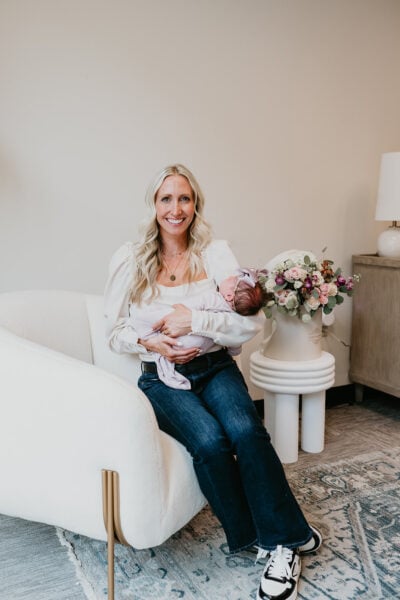
Recap of The Peaceful Sleeper Method
We’ve helped over 100,000 families get better sleep—not through rigid schedules or sleep shaming, but by tuning into what you and your baby need. Our method is trusted, loving, flexible, and based on what really works.
With The Peaceful Sleeper Method, you’re not just getting more rest. You’re getting your joy back. You’re reclaiming your evenings. You’re learning to trust your instincts and your baby. And you’re doing it with a team that has your back every step of the way.
So whether you’re a new parent trying to survive the newborn fog or a toddler mom desperate for a full night’s sleep, we’re here for you. Let’s do this—together.


Comments